Ruth Amato
For Florida Representative District 30
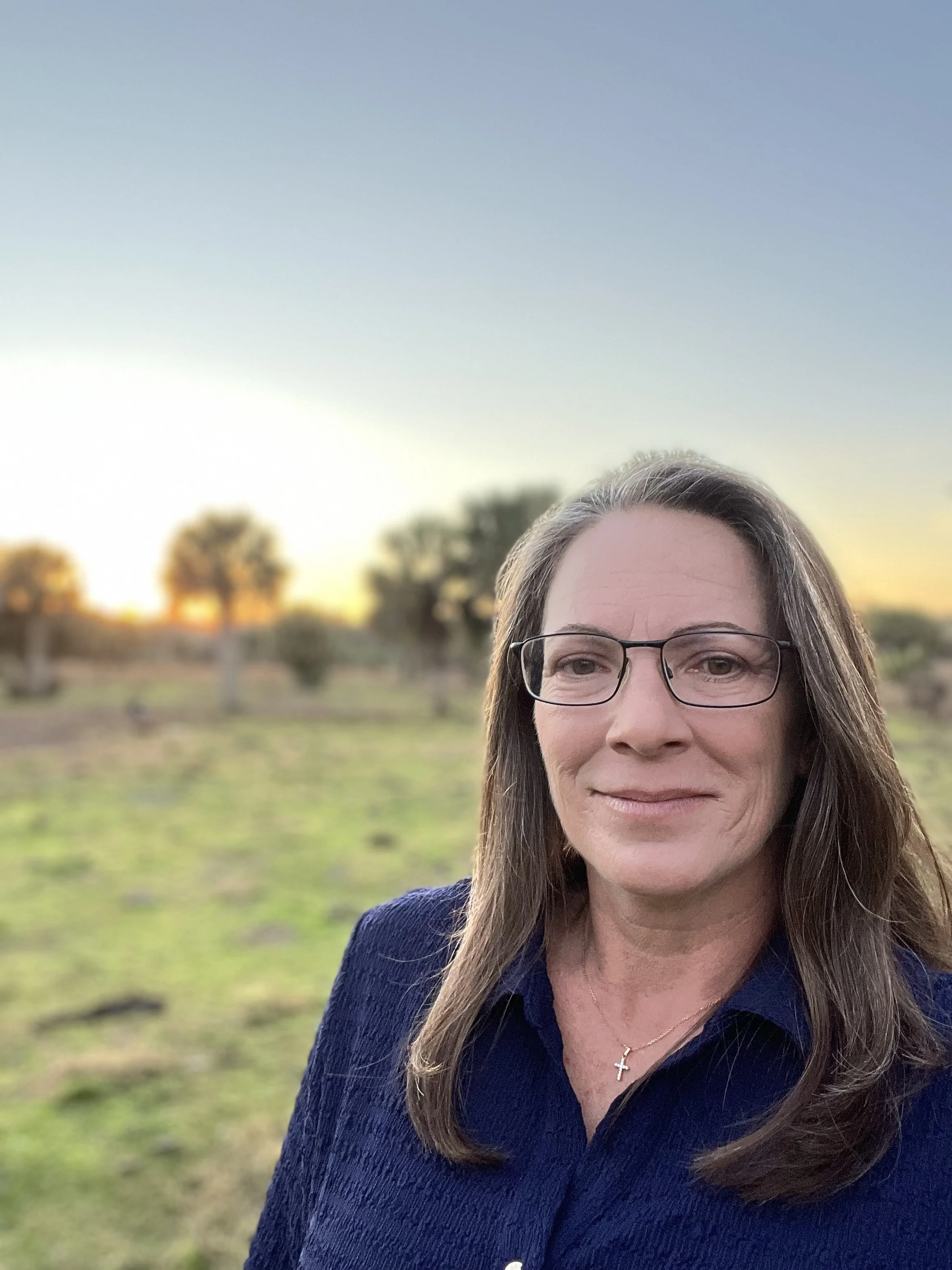
I am a fifth-generation Floridian, raised in an agricultural family where faith, hard work, and respect for the land shaped who I am. As a wife, mother, Christian, and conservative Republican, I believe our values—not special interests—should guide the future of District 30
Political advertisement paid for and approved by Ruth Amato, Republican, for Florida House of Representatives District 30
PLATFORM
HOME RULE
Home rule is essential to Florida’s local communities because the people closest to the problem are the ones best equipped to solve it. What works for Miami does not always work for Brevard and Volusia Counties. Local officials understand their infrastructure capacity, drainage patterns, school crowding, agricultural economy, and environmental constraints in ways Tallahassee never can. When the state overrides local decision-making, it strips communities of their ability to protect their water, manage growth responsibly, and preserve their rural character. Home rule is not about expanding government — it is about keeping power accountable and closest to the people. Protecting home rule means protecting taxpayers, property rights, infrastructure planning, and the unique identity of every Florida community
FOOD INDEPENDENCE
Between 2017 and 2022, Florida lost 2,887 farms and 30,331 acres of farmland, according to the 2022 Census of Agriculture.
That’s not just land. That’s families. That’s jobs. That’s local food production.
Every time we lose a farm, we lose an economic driver in our community. Agriculture supports equipment suppliers, feed stores, truckers, veterinarians, small businesses, and local markets. When farmland disappears, those ripple effects hit all of us.
It also weakens our food independence. The more land we pave over, the more dependent we become on food shipped from out of state or overseas. That directly impacts grocery store prices and supply stability.
This isn’t just about preserving open space — it’s about preserving our ability to grow our own food for our own markets.
When a farm is lost, it affects every community — rural, suburban, and urban alike.
Protecting farmland isn’t nostalgic. It’s strategic. It’s economic security. It’s food security. It’s Florida’s future.
INFRASTRUCTURE
Infrastructure must come before density. Stormwater systems, potable water, wastewater capacity, and safe roads are not optional — they are the foundation of a functioning community. Yet across Florida, we are approving development without first ensuring these systems can handle the growth.
Flooding established neighborhoods, pushing “toilet-to-tap” solutions without public confidence, allowing sewage — treated or untreated — into our waterways, and ignoring deteriorating roads is unacceptable. These are not accidents. They are the direct result of failed growth policy and legislation that prioritizes speed over sustainability.
Destroying our natural water storage and recharge systems, only to tax families later to repair the damage, is backwards governance. We watched it happen in the Everglades — one parcel at a time — until taxpayers were forced to spend billions trying to restore what should have been protected in the first place.
Protecting wetlands, floodplains, and recharge areas is not anti-growth. It is fiscally responsible, environmentally sound, and morally right. Prevention costs less than repair — every single time.
HOMEOWNERS INSURANCE
Every time a hurricane makes landfall in Florida, homeowners brace for two storms — the one outside, and the one that shows up later in their mailbox: an insurance increase.
Insurance rates rise because insurers pay claims. And claims spike when homes flood, streets turn into rivers, lift stations fail, and stormwater systems can’t handle the growth placed on them.
This is why infrastructure matters.
When drainage works, when roads are built correctly, when stormwater systems are maintained, and when development is planned responsibly, fewer homes flood. Fewer flooded homes means fewer insurance claims. Fewer claims mean fewer payouts — and that helps stabilize insurance premiums for families.
But Florida has spent years approving density before infrastructure. We’ve allowed development in areas that historically held water, overburdened drainage systems, and shifted the cost of fixing it onto homeowners through taxes and insurance.
Doubling down on failing development policy doesn’t lower costs — it raises them
Political advertisement paid for and approved by Ruth Amato, Republican, for Florida House of Representatives District 30
This campaign is powered by local residents, not special interests. I am running to protect our communities, water resources, and property rights, and to restore home rule and responsible growth. The people of District 30 are the only special interest I serve, and your contribution helps ensure this campaign answers only to the voters.
Contribution Certification & Rules
By proceeding with this contribution, you confirm the following:
• I am a U.S. citizen or lawfully admitted permanent resident (green card holder).
• I am at least 18 years old.
• This contribution is made from my own personal funds and not those of another person or entity.
• I am not a federal contractor.
• I am using my own personal credit/debit card and not a corporate, business, or third-party card.
• I am not making this contribution on behalf of another person.
Contribution Limits (Florida Law):
Florida law limits contributions to $1,000 per person, per election. The primary election and general election are separate elections.
Contributions are not tax-deductible.
Florida law requires the campaign to use its best efforts to collect and report the name, address, occupation, and employer of any individual whose total contributions exceed $100 in an election cycle.
Political advertisement paid for and approved by Ruth Amato, Republican, for Florida House of Representatives District 30
Follow on social




Political advertisement paid for and approved by Ruth Amato, Republican, for Florida House of Representatives District 30